Blogs

Dehydration Units

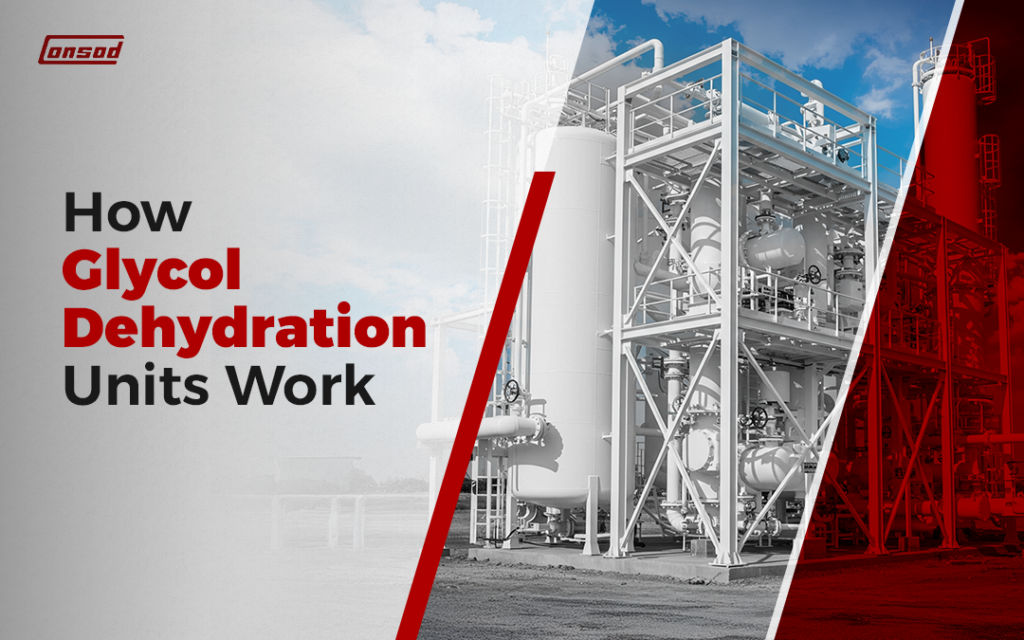
How Glycol Dehydration Units Work: A Step-by-Step Breakdown

In natural gas processing, removing water vapor is a critical step to ensure safety, efficiency, and product quality. One of the most widely used methods for this is glycol dehydration. In this blog, we’ll take a closer look at how Dehydration Units, specifically glycol-based systems, operate in a step-by-step process—and why they’re essential in gas […]

How Glycol Dehydration Units Work: A Step-by-Step Breakdown Read More »
Desalter

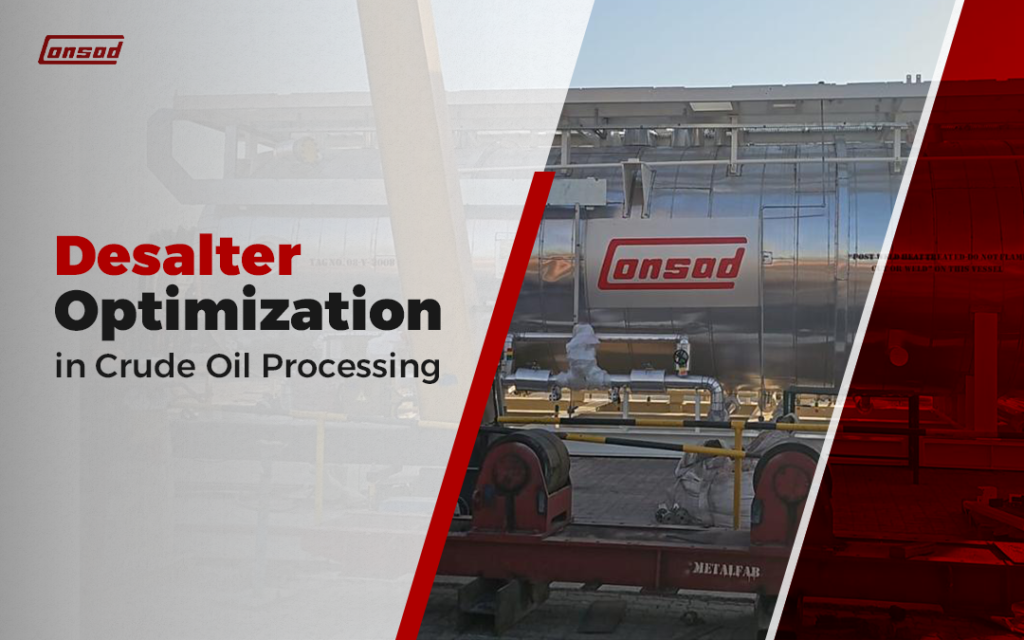
How to Optimize crude oil processing with Electrostatic Desalters

In today’s energy landscape, efficiency and quality are more important than ever in crude oil refining. One critical process that ensures high-quality output and protects downstream equipment is electrostatic desalting. In this blog, we’ll explore how Electrostatic Desalters work, their benefits, and practical ways to optimize their performance for maximum impact.   What Are Electrostatic

How to Optimize crude oil processing with Electrostatic Desalters Read More »

How do Electrostatic Dehydrators work

Electrostatic dehydrators are essential in industries like oil and gas, helping separate water from crude oil and other liquids efficiently. Using high-voltage electric fields, these devices speed up the natural separation process, ensuring cleaner, dryer output. In this blog, we’ll explore: The science behind electrostatic dehydration Key components of an electrostatic dehydrator How the process

How do Electrostatic Dehydrators work Read More »

Dehydration Dynamics

Dehydration Dynamics

Introduction In the oil and gas industry, dehydration dynamics play a pivotal role in enhancing gas quality and protecting infrastructure. As the global demand for cleaner and more efficient energy rises, the need for advanced gas dehydration systems becomes more urgent than ever. Today’s innovations are redefining how natural gas is treated—balancing performance, sustainability, and

Dehydration Dynamics Read More »